A Heritage You Can Wear. A Pride You Can Pass On.
Experience the legacy of authentic Champa Kosa silk, handcrafted by master weavers preserving a centuries-old tradition.
Why Champa Kosa Exists
In a world of machine-made imitations, we safeguard a heritage craft at risk of extinction.
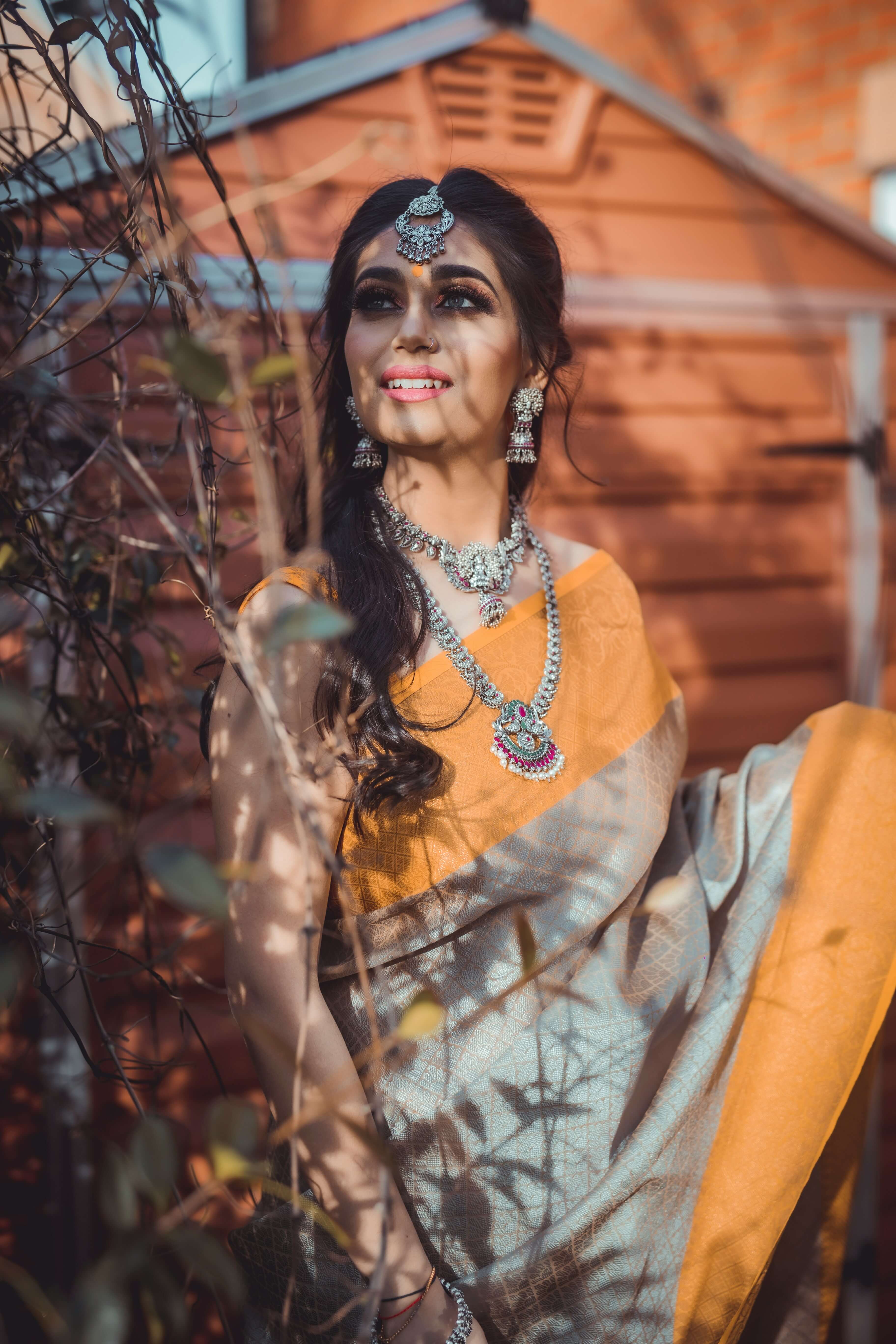
What Makes Champa Kosa Different
Beyond beauty, our sarees represent an unbroken tradition of excellence that spans centuries – a wearable legacy for the discerning woman.
GI-Tag Authenticity
Each Champa Kosa saree is GI-certified, guaranteeing its authentic origin and protecting you from imitations. This prestigious mark is awarded only to genuine Kosa silk from Champa, Chhattisgarh.
Handwoven Exclusivity
Each saree requires 5-7 days of meticulous handcraft on traditional looms. No mass production means your saree is uniquely yours, with subtle characteristics that can never be replicated exactly.
Lightweight Comfort
Unlike heavy silk that restricts movement, Kosa silk's natural texture creates a lightweight drape that feels like a second skin, ideal for all-day wear while maintaining an elegant, refined presence.
Artisanal Heritage
Every saree tells the story of its weaver, whose family has preserved traditional patterns and techniques across generations. This living heritage flows directly from their hands to your wardrobe.
Limited Collections
We release only three collections annually, each containing a limited number of sarees. This controlled production ensures the highest quality while maintaining the exclusivity of your purchase.
Ethical Luxury
We ensure fair compensation that honors the artisans' skill and time. By choosing Champa Kosa, you directly support families who have maintained this craft for generations despite economic challenges.
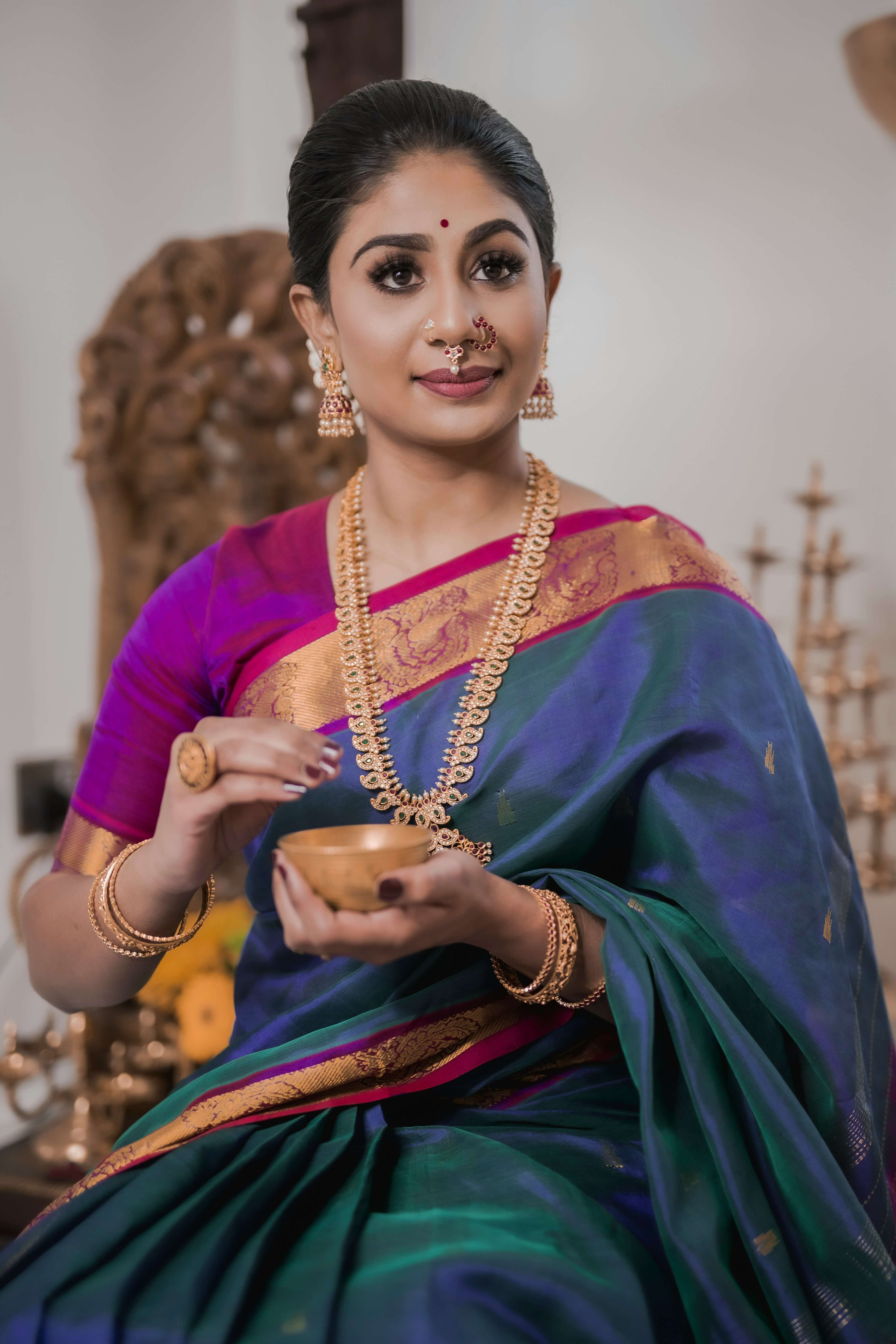
The Heritage of Kosa Silk
A fabric so precious that it was once reserved for royalty, now preserved for women who recognize true value.
Kosa silk comes from wild silkworms native to Chhattisgarh's forests. Unlike commercial silk, it's harvested without harming the silkworm, creating a uniquely textured, naturally golden-hued fabric with superior breathability and durability.
Champa has been a silk weaving hub since the 14th century, with its unique water chemistry and climate creating ideal conditions for silk processing. The region's isolation helped preserve traditional patterns and techniques that would otherwise have been lost to industrialization.
The Geographical Indication tag is a legal certification that protects regional crafts from imitation. Champa Kosa silk received this prestigious recognition in 2011, acknowledging its unique characteristics and historical significance that can only come from this specific region.
The journey of a Champa Kosa saree begins in the forests where silkworms create cocoons on sal and arjun trees. These cocoons are sustainably harvested, then processed using traditional methods before being handspun into yarn. Master weavers then spend days at the loom, creating intricate patterns that have been passed down through generations.
Their Stories. Their Heritage.
Women across generations and borders find more than beauty in our sarees—they discover connection, confidence, and cultural pride.
"I've worn silk sarees all my life, but nothing compares to Champa Kosa. The lightness, the texture, the way it drapes—it feels alive. I wore it to my daughter's wedding and felt a connection to my grandmother who would have worn something similar."
"Living abroad for 15 years made me crave authentic pieces of home. My Champa Kosa saree isn't just clothing—it's my heritage in tangible form. When I wear it at cultural events in London, even non-Indians recognize its exceptional quality."
"As a bride, I wanted something meaningful, not just trendy. Knowing the story behind my Champa Kosa wedding saree—the weaver family, the months of work, the centuries of tradition—made it infinitely more special than any designer piece."
The Master Weavers of Champa
Behind every Champa Kosa saree are hands that have inherited centuries of craftsmanship—families who are the true guardians of this living heritage.
These aren't factory workers but artist families who have passed their skills from generation to generation. Many began learning at age 10, sitting beside grandparents who learned from their grandparents.
With Champa Kosa, you aren't just buying a product—you're supporting these families directly, ensuring that their irreplaceable knowledge and artistry continues for another generation.
Ramesh Sahu
Third-generation master who specializes in the intricate "Champa Booti" pattern.
Laxmi Devi
Known for her innovative fusion of traditional motifs with contemporary arrangements.
The Heritage Collection
Each saree is named after the woman who inspired its creation—a celebration of feminine strength, grace, and legacy across generations.
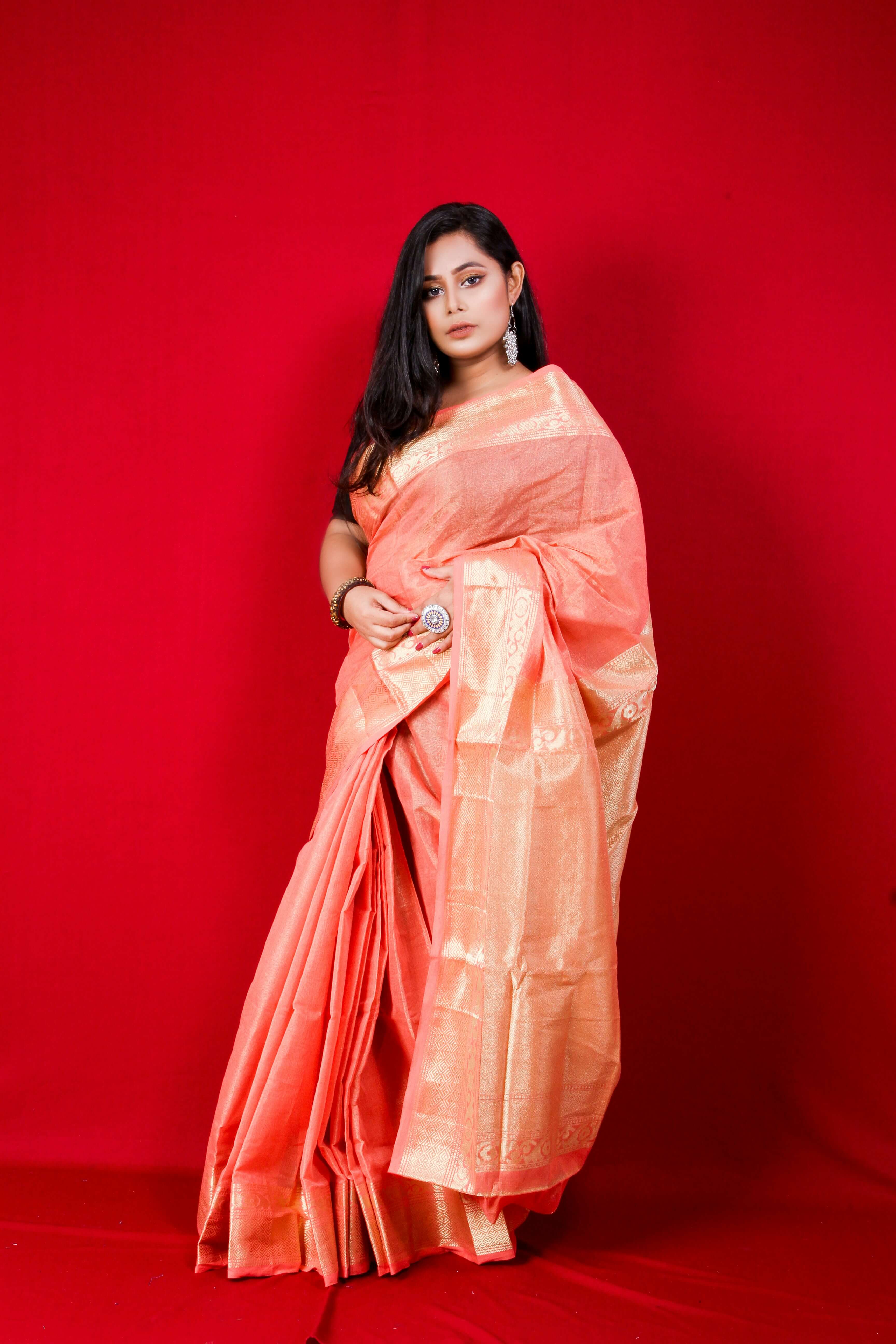
The Indira
₹18,500
Named after a matriarch known for her quiet strength. A deep maroon base with gold temple borders, woven with distinctive peacock motifs that symbolize beauty and resilience.
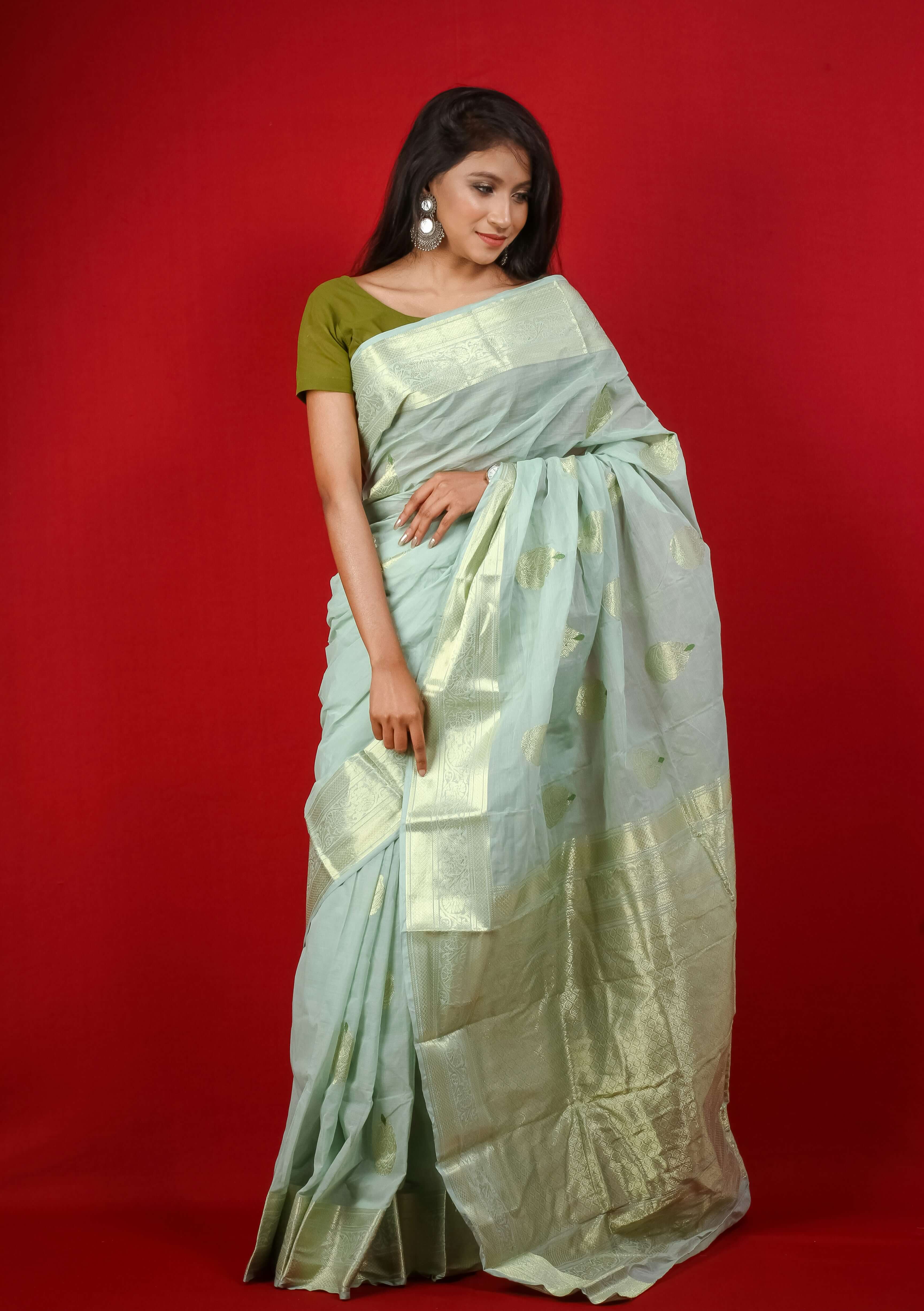
The Radha
₹22,800
Inspired by a celebrated classical dancer. An emerald green canvas with delicate lotus patterns across the body, featuring an intricate pallu that seems to flow with every movement.
The Lakshmi
₹26,500
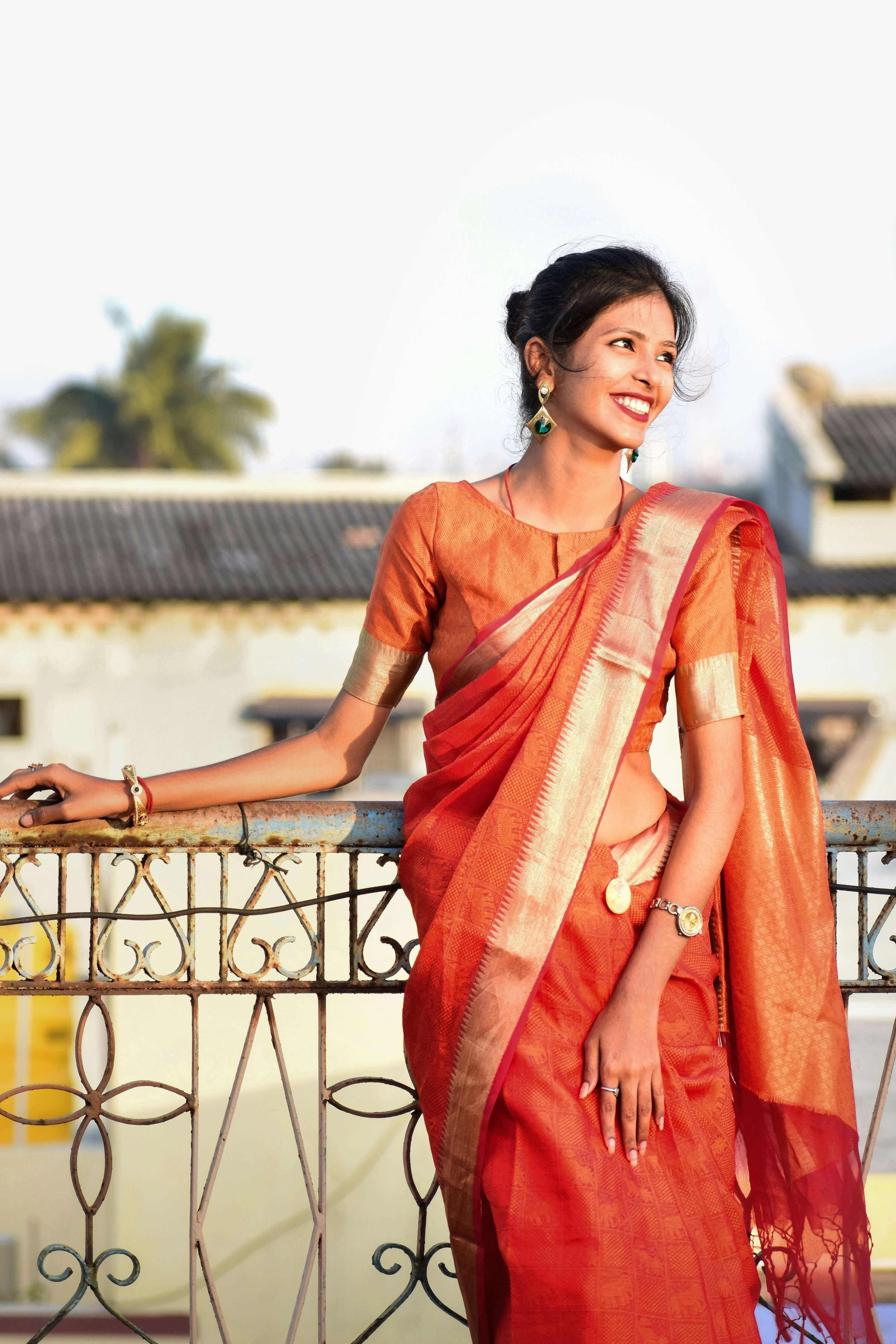
Named for a woman who built a business empire. A royal purple saree with traditional coin motifs and elaborate zari work symbolizing prosperity and abundance.
Why It's Worth It
When you understand what goes into each Champa Kosa saree, you'll see it's not a purchase—it's an investment in artistry, heritage, and timeless value.
Authenticity Certificate
Every saree comes with a GI-certification and weaver details.
Secure Payment
Multiple payment options with encrypted transactions.
Care Instructions
Detailed guide for maintaining your silk's beauty for decades.
Global Shipping
Insured delivery worldwide with tracking information.
Common Questions About Champa Kosa
Is the price worth it compared to other silk sarees?
When you consider that each Champa Kosa saree takes 5-7 days of dedicated handwork by master weavers, uses ethically sourced materials, and carries centuries of heritage, the value becomes clear. Unlike machine-made or mass-produced silk, these sarees appreciate in value over time and can be passed down as heirlooms.
How do I know I'm getting authentic Kosa silk?
Every Champa Kosa saree comes with GI-certification and documentation that details the weaver, weaving date, and silk source. Additionally, authentic Kosa has distinctive texture characteristics that our detailed photographs highlight, and we welcome video consultations for customers who want to examine the silk more closely before purchasing.
Is Kosa silk comfortable for all-day wear?
Absolutely! Unlike heavy silks that can be restrictive, Kosa silk is remarkably lightweight and breathable. Its natural texture allows air circulation, making it comfortable even in warm weather or for extended wear during long ceremonies or events. Many customers note that it "feels like a second skin" after a short wearing period.
How do I care for my Kosa silk saree?
Each saree comes with detailed care instructions, but generally, Kosa silk is surprisingly resilient. We recommend dry cleaning for the first few years, then gentle hand washing with mild soap in room-temperature water. Properly cared for, your Champa Kosa saree will maintain its luster and strength for decades—many of our customers still wear Kosa sarees that belonged to their grandmothers.
The Champa Kosa Promise
Our Authenticity Guarantee
If at any point you discover that your Champa Kosa saree is not authentic GI-certified Kosa silk handwoven in Champa, we will refund 150% of your purchase price.
"Our reputation is built on authenticity, transparency, and heritage. This isn't just a guarantee—it's our commitment to preserving a cultural legacy."
— Ayush Gandharv, Founder
Limited Availability
Due to the time-intensive nature of handweaving, each collection is inherently limited in quantity. Once a design sells out, it may never be recreated exactly the same way again.
Current Collection: Winter Heritage 2025
Each weaver produces only 4-5 sarees per month
Many designs are limited to 8-10 pieces total
Begin Your Kosa Journey
Whether you're seeking your first heritage piece or adding to a treasured collection, we're here to guide you personally.
Browse Our Collection
Explore our curated selection of authentic Champa Kosa silk sarees, each with its own story and heritage significance.
Schedule a Consultation
Book a personal video call with our heritage experts who can guide you through fabric details, draping techniques, and styling options.
Connect with Weavers
For special requests, we can arrange direct conversations with our master weavers to discuss custom designs or specific traditional patterns.